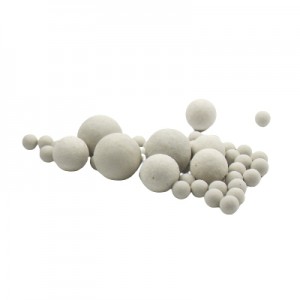


Acid & Heat Resistant Ceramic Intalox Saddle Ring Random Tower Packing 16mm 25mm 38mm 50mm 76mm for Chemical Absorption & Scrubbing



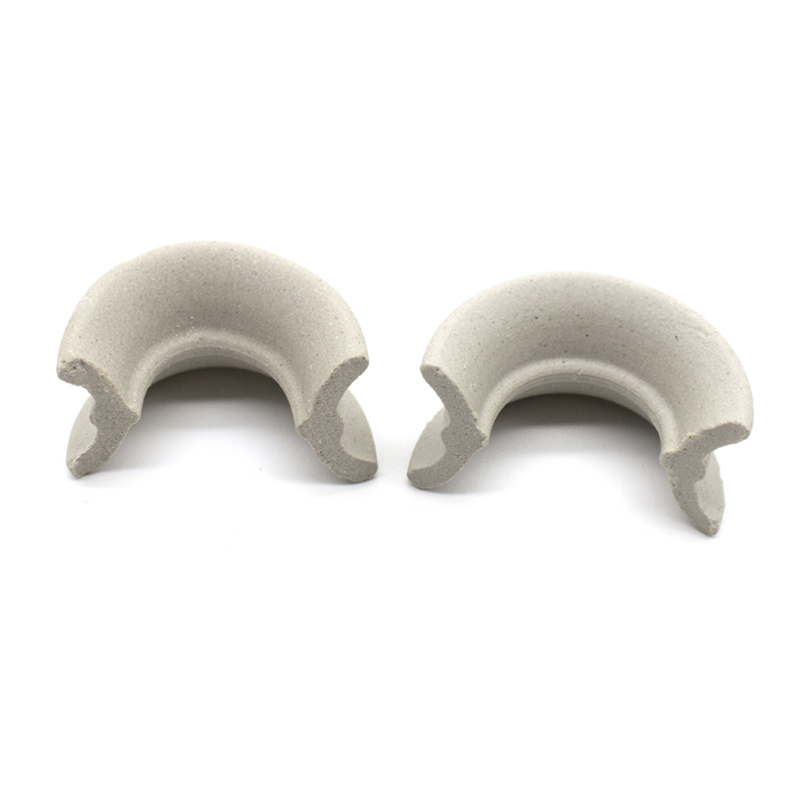
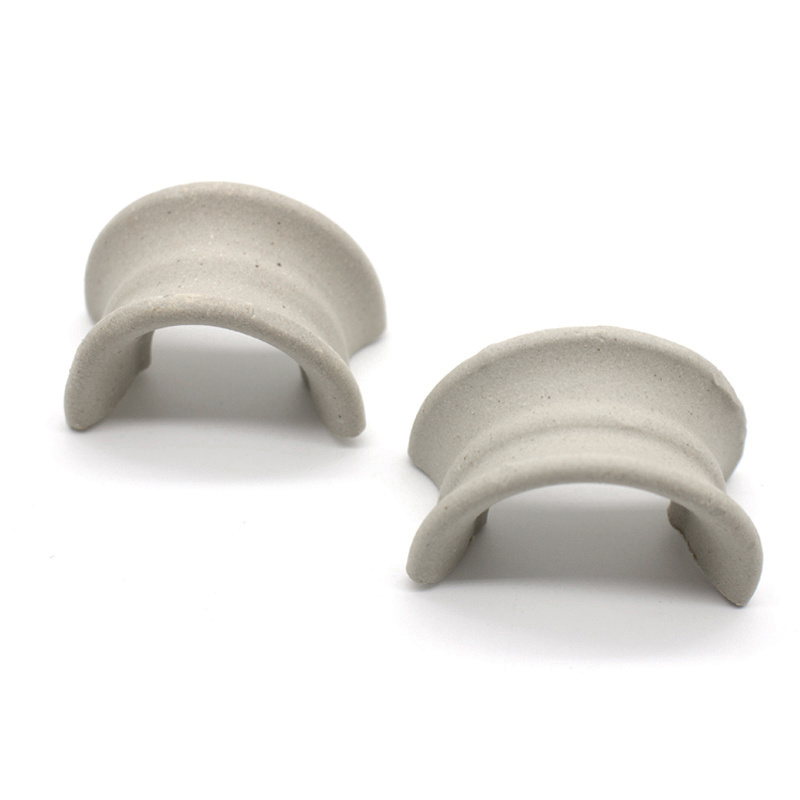
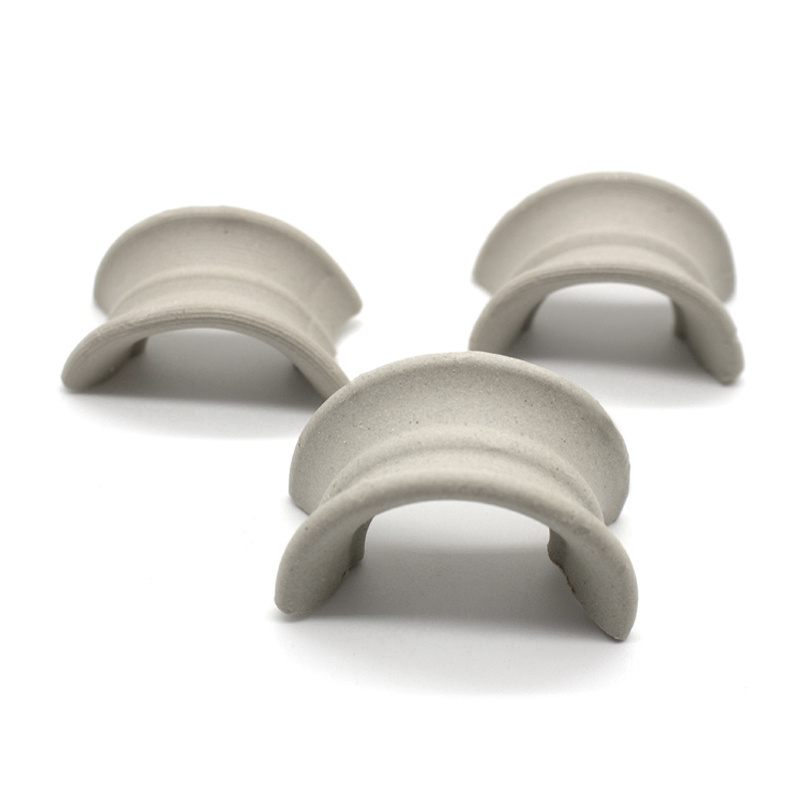
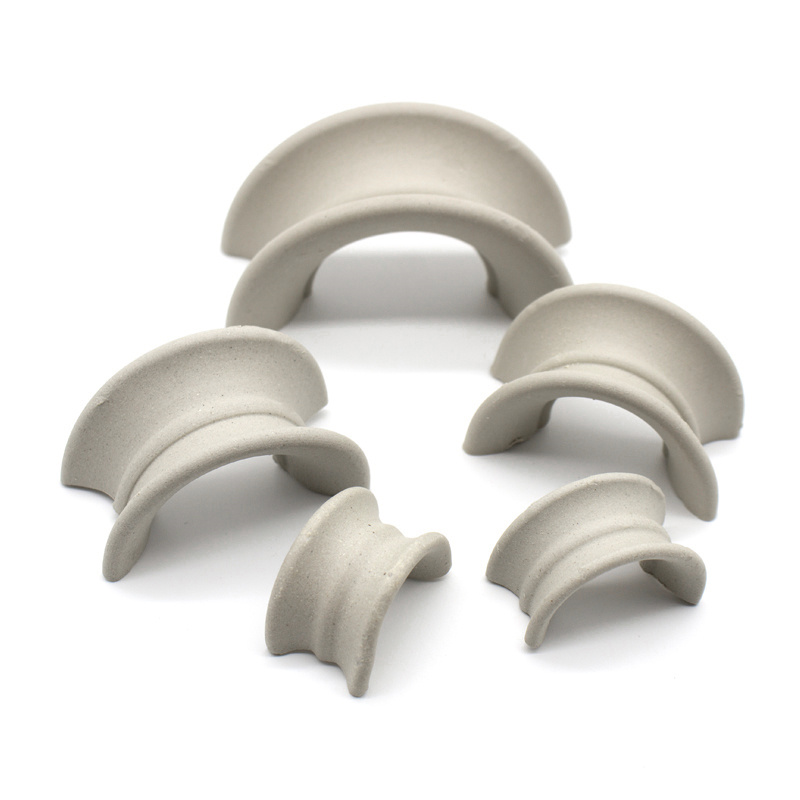

Ceramic Intalox Saddle Product Description
The Ceramic Intalox Saddle is a high-performance random packing, representing a significant advancement over the traditional Ceramic Berl Saddle. It features a unique saddle-shaped geometry with two arched surfaces and differing inner and outer curvature radii. Originally developed by Norton Company in 1950, this design successfully overcomes the nesting and stacking problems common in earlier saddle-type packings, making it one of the most widely used ceramic random packings in the world today.
Product Highlights
- Anti-Nesting Structure: Unlike conventional ceramic saddles, it features two arched surfaces with differing inner and outer curvature radii, allowing pieces to maintain point-contact instead of overlapping or nesting.
- Uniform Porosity & High Capacity: The structural change makes porosity evenly distributed and improves fluid distribution, providing greater capacity and lower pressure drop compared to ceramic Raschig rings.
- High Void Fraction: With a void fraction of 0.70–0.80, the packed bed provides large, arc-shaped liquid channels that minimize gas flow resistance and radial liquid diffusion.
- Superior Acid & Heat Resistance: Manufactured from high-alumina ceramic (SiO₂ >73%, Al₂O₃ 17-25%), it resists all inorganic and organic acids except hydrofluoric acid (acid resistance >99.6%), and withstands operating temperatures up to 1100–1400°C.
- Enhanced Mass Transfer Efficiency: Combining the advantages of both ring and saddle shapes, it promotes uniform liquid distribution and increased gas passage—delivering higher efficiency and lower pressure drop compared to ceramic Raschig rings and Pall rings.
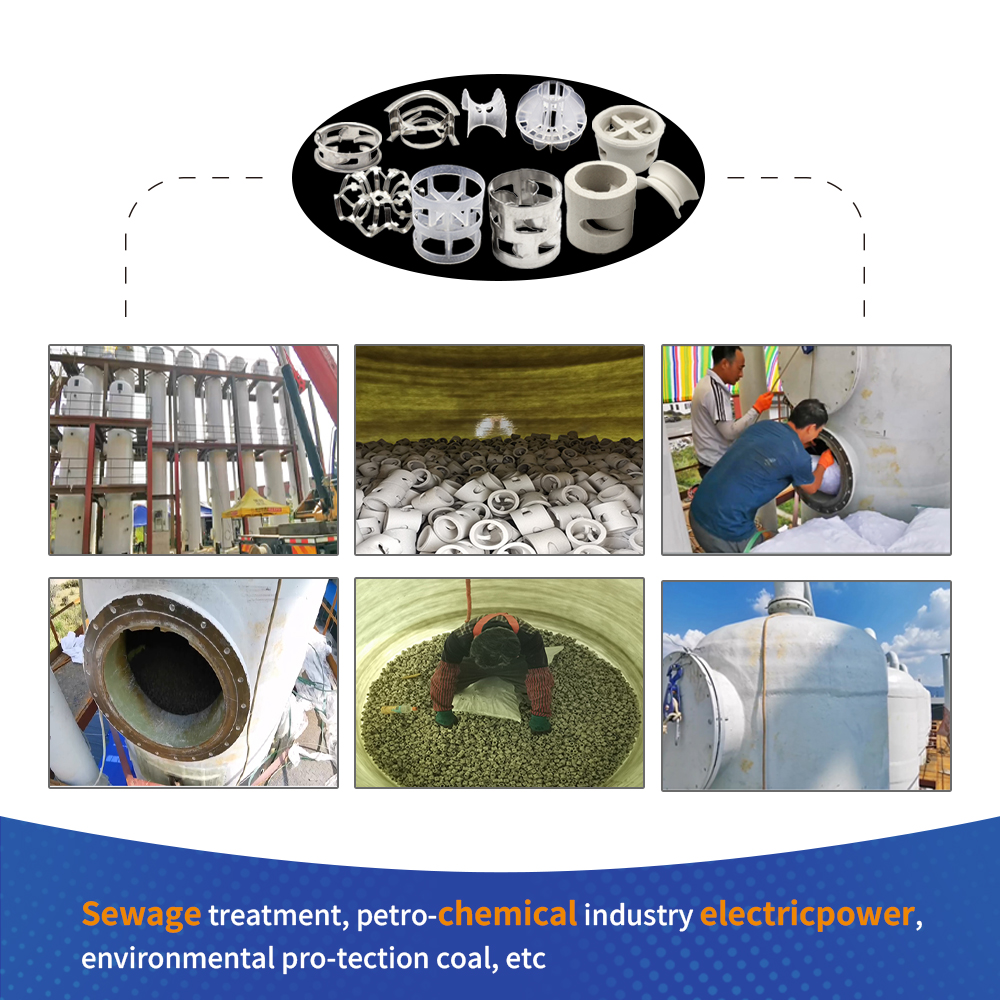
- RTO & Environmental Applications: Widely used as heat storage packing in regenerative thermal oxidizers (RTO) for treating low-concentration volatile organic waste gases in the petrochemical, paint, printing, pharmaceutical, and electronics industries.

| Size (mm) | D×H×T (mm) | Surface Area (m²/m³) | Void Ratio (%) | Number per m³ | Bulk Density (kg/m³) | Packing Factor (m⁻¹) |
|---|---|---|---|---|---|---|
| φ16 | 16×12×2 | 450 | 70 | 382,000 | 710 | 1,311 |
| φ25 | 25×19×3 | 250 | 74 | 84,000 | 610 | 617 |
| φ38 | 38×30×4 | 164 | 75 | 25,000 | 590 | 389 |
| φ50 | 50×40×5 | 142 | 76 | 9,300 | 560 | 323 |
| φ76 | 76×57×9 | 92 | 78 | 1,800 | 520 | 194 |




Write your message here and send it to us