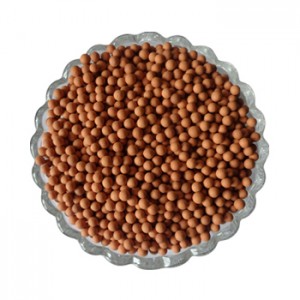


High Performance Perforated Ceramic Ball Porous Catalyst Support Media for Chemical Reactor



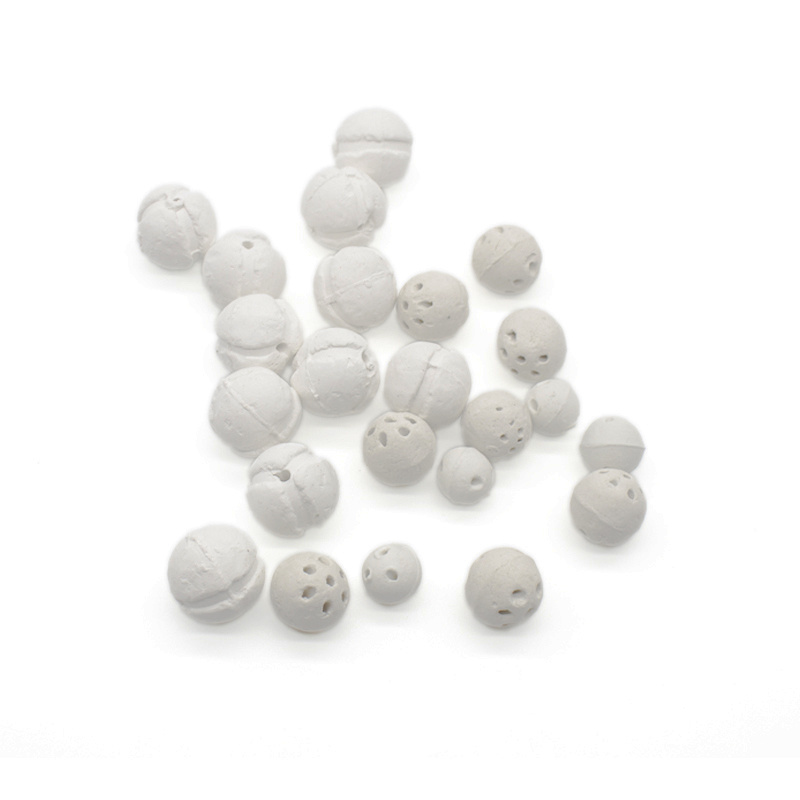
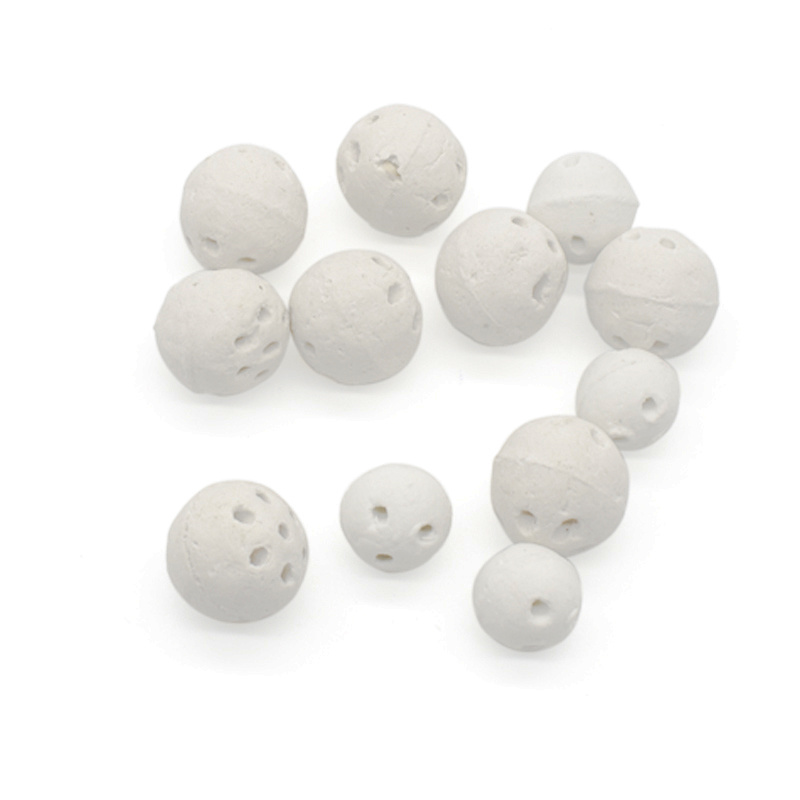
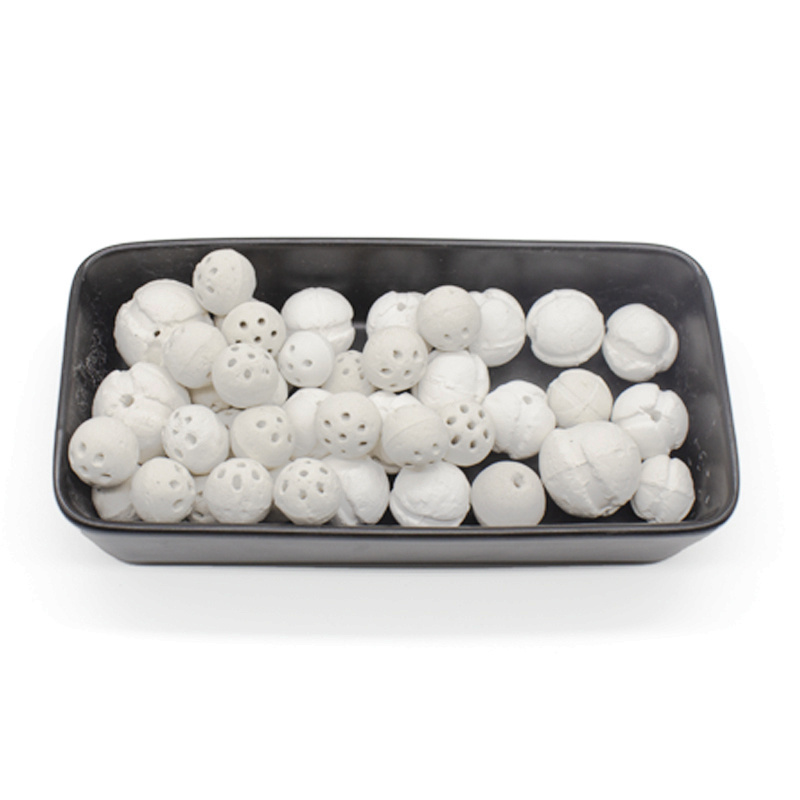
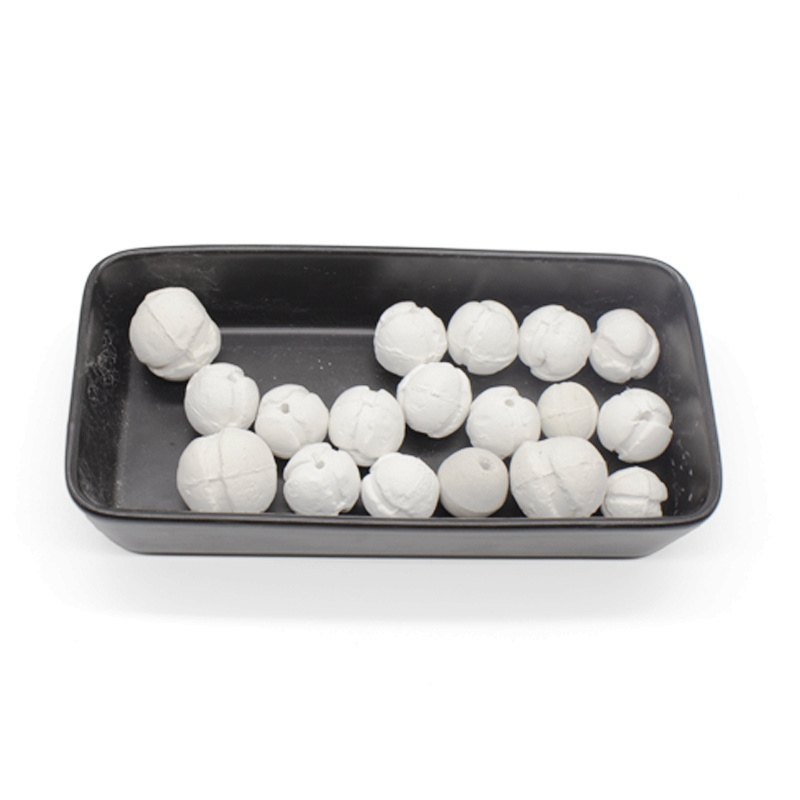

Perforated Ceramic Ball Product Description
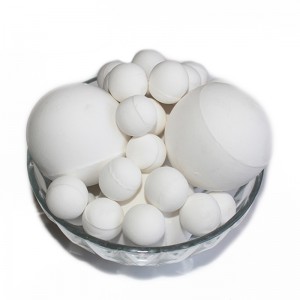
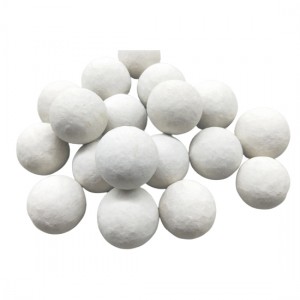
The Perforated Ceramic Ball, also widely recognized as the Porous Ceramic Ball, is an advanced catalyst bed support and filtration medium developed upon the foundation of standard inert ceramic balls. By introducing precision-drilled holes throughout the ball body, this structural innovation effectively increases the geometric specific surface area and void fraction. It plays a critical role in supporting and covering the catalyst layers, ensuring that gas and liquid vapors are distributed uniformly while drastically minimizing fluid resistance within heavy-load catalytic reactors.
Product Highlights
Minimized Pressure Drop: The open-hole configuration provides a smoother pathway for gas and liquid streams, which efficiently prevents reactor clogging and drops operational pressure compared to traditional solid balls.
Enhanced Geometric Surface Area: Delivers up to 30% more specific surface area than standard inert ceramic media, promoting significantly better heat distribution, mass transfer, and fluid aerodynamics.
Excellent Mechanical Strength: Engineered from premium chemical-grade industrial porcelain, it sustains high crushing strength, ensuring the media will not break down, crack, or plug the catalyst bed under extreme high-pressure reactor environments.
Outstanding Thermal Shock Resistance: Maintains exceptional structural integrity and dimensional stability during rapid temperature cycling in harsh thermal environments up to 1300°C.
Superior Chemical Stability: Highly inert with unmatched resistance to strong acids, toxic gases, alkalis, and organic solvents, perfectly shielding your costly refinery catalysts from chemical contamination.
-
Typical Applications
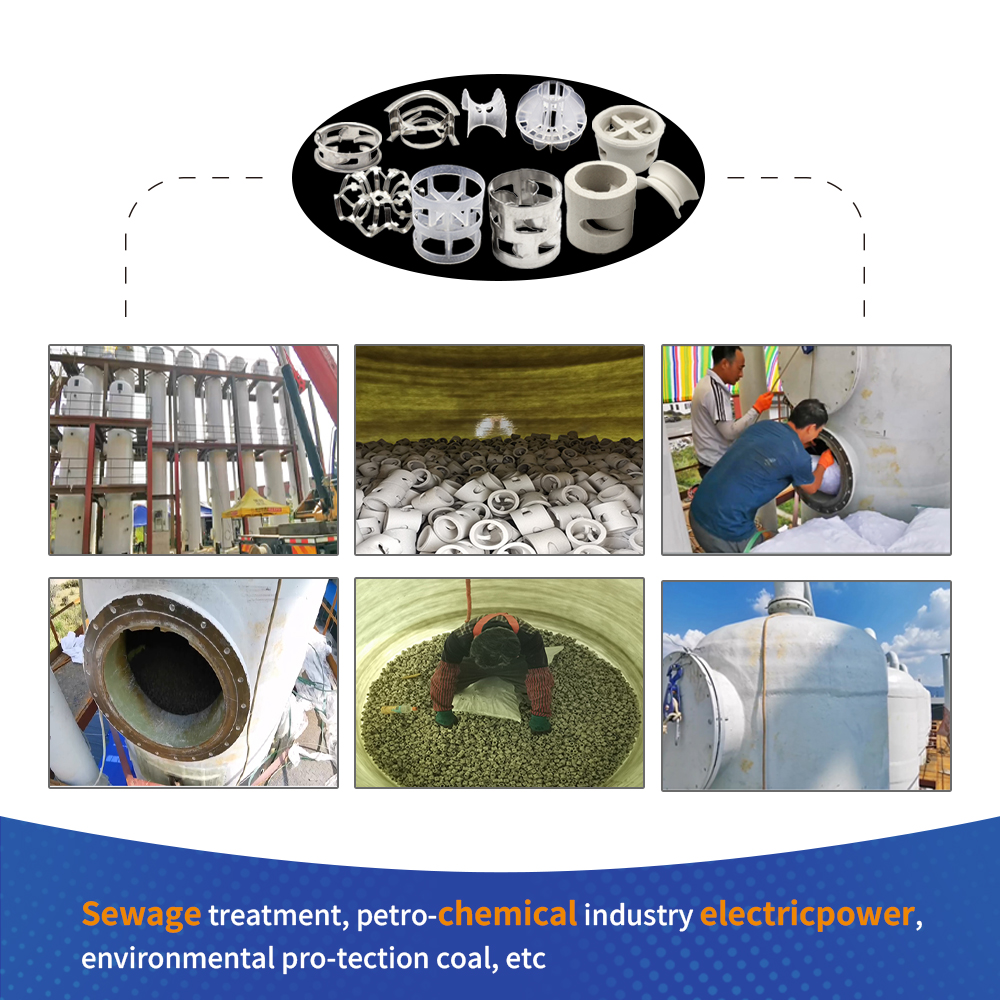
Support and covering layers for catalyst beds in hydrocracking, refining, and isomerization units. Mass transfer and filtration systems in chemical fertilizer plants, methanol lines, and ammonia synthesis columns. Environmental protection projects, sulfur recovery units, and industrial waste gas processing stripping towers.

| Size (mm) | Hole Qty (pcs) | Al2O3 Content (%) | Void Ratio (%) | Crushing Strength (KN/pc) | Bulk Density (g/cm³) | Max Temp (°C) |
| φ25 | 1 / 7 holes | 25% - 99% | 28% - 38% | More than 2.5 - 6.5 | 1.35 - 2.30 | 1100 - 1600 |
| φ38 | 1 / 7 holes | 25% - 99% | 30% - 40% | More than 4.0 - 9.5 | 1.35 - 2.35 | 1100 - 1600 |
| φ50 | 7 / multi-holes | 25% - 99% | 32% - 42% | More than 6.0 - 14.0 | 1.35 - 2.40 | 1100 - 1600 |
| φ75 | 7 / multi-holes | 25% - 99% | 35% - 45% | More than 10.0 - 22.0 | 1.35 - 2.40 | 1100 - 1600 |
| φ100 | Multi-holes | 25% - 99% | 38% - 48% | More than 15.0 - 35.0 | 1.35 - 2.45 | 1100 - 1600 |